
Resources
A small library of what shapes the work.
Videos, articles, talks, and books that help explain the mind, the behaviour, and the path of change. Everything here is chosen because it clarifies something we rely on in practice.
Videos
Selected videos from Alain de Botton's The School of Life series, exploring the inner workings of the human mind, psychology, and the process of change. Work that reflects our evidence-based approach to recovery.
Your Mind Is Trying to Heal You (By Hurting You)
The School of Life
Why Hurt People Hurt People
The School of Life
How Wounded People Seek Out further Punishment
The School of Life
The Dangers of Missing a Sense of Self
The School of Life
Why You Shouldn't Trust Your Feelings
The School of Life
How To Know Yourself
The School of Life
5 Questions to Ask Yourself Every Evening
The School of Life
Are Intelligent People More Lonely?
The School of Life
Life is Not About Being Happy
The School of Life
The One Subject You Really Need to Study: Your Own Childhood
The School of Life
Overcoming Negative Thought Patterns to Find Joy
The School of Life
Are You Neurotic or Psychotic? How to Tell the Difference
The School of Life
Learning to Speak ... Again
The School of Life
Why We Should Refuse to Get Into Arguments
The School of Life
In Praise of Nice People
The School of Life
How All Meanness Is Inherited
The School of Life
How to Deepen Your Friendships
The School of Life
A Test to Measure How Good Your Father Was
The School of Life
Why a Walk in the Park Can Save Your Life
The School of Life
The Cruel Truth: Why Your Ex Is Perfect for Someone Else
The School of Life
The Red Flags You Keep Ignoring
The School of Life
The Real Reason You Hate Horoscopes
The School of Life
What Does the Child in You Need Today?
The School of Life
The Superpower We Gain From Suffering
The School of Life
How to Ask for Help When You're Overwhelmed
The School of Life
The Psychology of Male Loneliness
The School of Life
How Successful People Take Risks
The School of Life
What to do When Willpower Fails
The School of Life
Why We Sabotage Our Own Happiness
The School of Life
Living Long-Term with Mental Illness
The School of Life
The Appeal of Rescuing Other People
The School of Life
How to Make a Decision
The School of Life
How to 'Grow' - The Hard Truth About Growth
The School of Life
Why It Can Take Us So Long to Understand How Unwell We Are
The School of Life
What Self-Esteem Is
The School of Life
Empty Chair Therapy: Heal Your Past, Improve Your Future
The School of Life
On Feeling Obliged
The School of Life
Managing your Mood: Tips for Staying Present | The School of Life
The School of Life
A Guide For the Recovering Avoidant
The School of Life
A Writing Exercise to Help You Meet Yourself
The School of Life
The Hidden Cost of Skipping Key Stages of Development
The School of Life
12 Signs You Are a Psychologically Mature Adult
The School of Life
Things You Have to Forget in Order to Live
The School of Life
How to Spot the Loveliest People in the World
The School of Life
A Question to Ask Ourselves When We Are Low and Paranoid
The School of Life
The Real Reason We Work So Hard
The School of Life
When and Why do we Pick Up our Phones?
The School of Life
How to Find Out What's Really on Your Mind
The School of Life
The Dangers of Oversharing
The School of Life
How To Overcome Psychological Barriers
The School of Life
The Secret Power of Missing Someone
The School of Life
The One Question You Need to Understand Who You Are
The School of Life
Is Everyone Else Normal? Feeling Painfully Different
The School of Life
How Repressed Emotions Make Us Sick
The School of Life
Why We Think We Are Losers (But Actually Aren't)
The School of Life
Why We Should Refuse to Get Into Arguments
The School of Life
Why Nice People Repel Us
The School of Life
Why We Behave As We Do
The School of Life
The True Cause of Obsessive Thinking
The School of Life
How to Become a More Interesting Person
The School of Life
2 Unexpected Ways to Stop Sabotaging Yourself
The School of Life
6 Historical Hangovers Making Us Miserable Today
The School of Life
What Is It to Be Emotionally Mature: Part Two
The School of Life
What Is It to Be Emotionally Mature: Part One
The School of Life
Remember That EVERYONE Is Lonely
The School of Life
Are you a Sadist or a Masochist - and Why?
The School of Life
How to Prepare for the Worst
The School of Life
A Guide to Self Transformation
The School of Life
How to Be Strong and Resilient
The School of Life
A West African Philosophy of Calm
The School of Life
Why is everyone so worried about 'Narcissism'?
The School of Life
The Secret to a Calm Life
The School of Life
How to listen to your Body
The School of Life
How to change your Script
The School of Life
How to recognise your patterns - and escape them
The School of Life
The Secret Power of Unsent Letters
The School of Life
How to Deal with Negative Emotions: Daily Proven Techniques
The School of Life
Why You Aren't Sleeping (and How to Fix It)
The School of Life
The Life Changing Effect of Small Talk With Strangers
The School of Life
What Your Parents Made You Do for Love…
The School of Life
How to Weaken the Hold of Addiction
The School of Life
Why Some Adults Can't... "Act Their Age"
The School of Life
Reparenting Our Inner Child
The School of Life
3 Ways to Deal with Envious Friends...
The School of Life
Van Gogh As a Guide to Confidence
The School of Life
Why You Need to Have a Proper Adolescence
The School of Life
Why Parents Bully Their Children
The School of Life
Why We Always Feel Bad and Guilty
The School of Life
How to Stop Getting TRIGGERED Forever
The School of Life
How to Find Out What You Really Really Think and Why...
The School of Life
7 Secrets of Therapy
The School of Life
How Keeping a Diary Can Save You
The School of Life
The Ancient Origin of Cancellation
The School of Life
12 Questions to Evaluate your Parents
The School of Life
One Key Question to Liberate Yourself From Childhood
The School of Life
The Untapped Power Of Psychedelic Therapy
The School of Life
How to Get Your Parents Out of Your Head
The School of Life
Why People Get Mentally Unwell
The School of Life
How to Stop People Pleasing and Be Happy
The School of Life
In Praise of Introspective People
The School of Life
Why Your Past Won't Help Your Present
The School of Life
Why We Are Lonely
The School of Life
The Paranoia Test
The School of Life
What to Do About Your Trauma?
The School of Life
Articles
Essays and written pieces on recovery, behaviour change, addiction science, and peer support.
Reflections
Short original pieces, written in-house, on themes we come back to in the work: burnout, loneliness, the news cycle, the thoughts that keep returning, the quiet importance of community.
Recommended reading
Books we return to again and again, for clients, Behavioural Therapists, and anyone trying to understand the mind. Covers are shown for reference only; no affiliate links, no purchases through us.
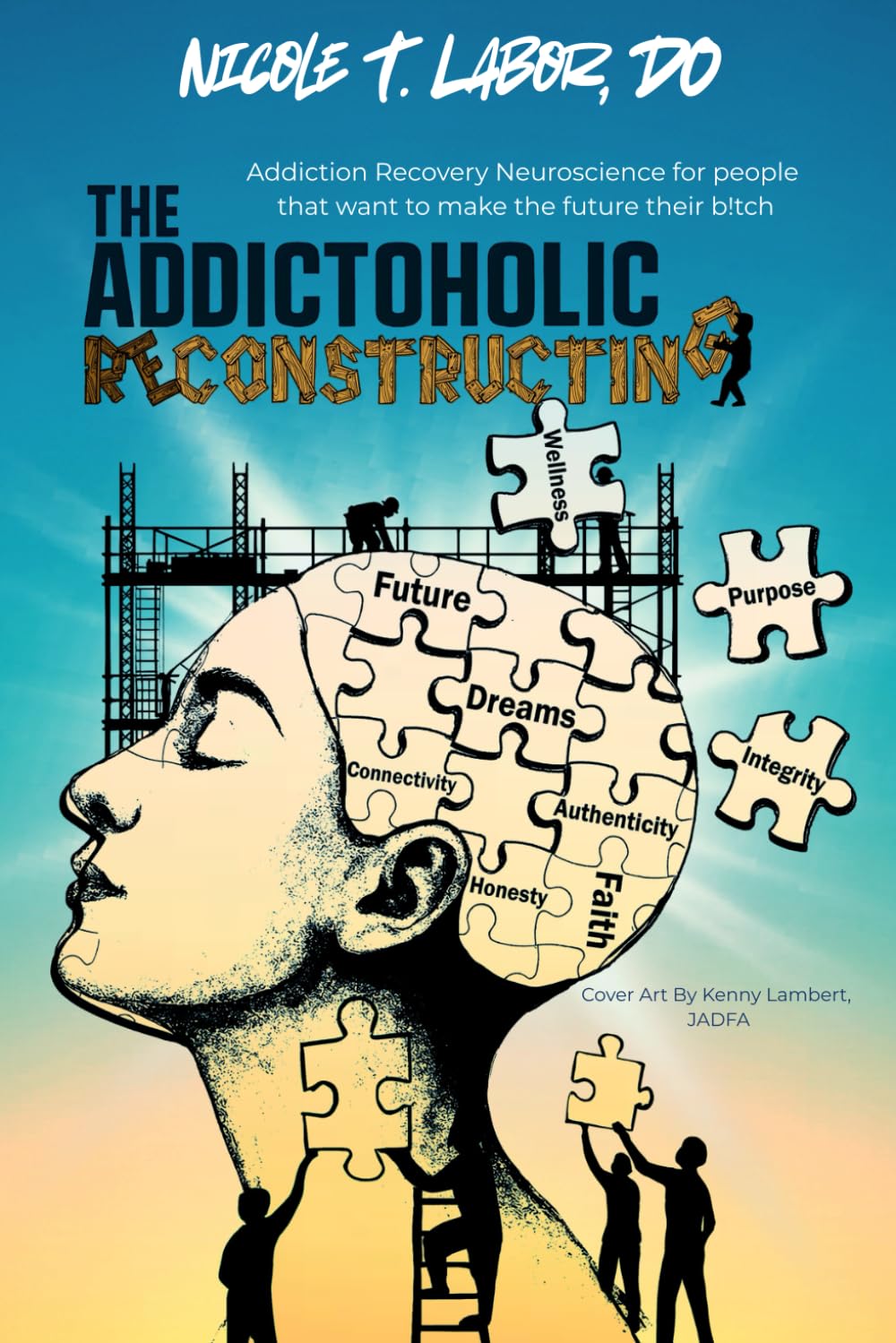
The Addictoholic Reconstructing
Dr. Nicole T. Labor
A physician's account of what addiction does to the brain and how recovery rebuilds it. Labor keeps the neuroscience accessible without softening the disease's severity. Good for clients and families who want a medical explanation rather than a moral one.
Feeling Good: The New Mood Therapy
David D. Burns, M.D.
The standard popular introduction to cognitive therapy, with clear methods for identifying and testing distorted thinking. Decades old and still among the most useful books on low mood and self-criticism. Works well alongside structured treatment.
The Body Keeps the Score
Bessel van der Kolk, M.D.
A survey of how trauma is held in the body and nervous system, and what the research says about recovery. Van der Kolk covers both the science and its clinical application. Important background where addiction and trauma are intertwined.

Man's Search for Meaning
Viktor E. Frankl
Frankl's account of surviving the concentration camps and the psychotherapy he developed from it, centred on meaning as a source of endurance. Short, sober, and free of sentimentality. Relevant to anyone facing suffering they cannot simply remove.
The Subtle Art of Not Giving a F*ck
Mark Manson
An argument that a good life comes from choosing what to care about rather than trying to feel good all the time. Manson treats problems as unavoidable and asks which ones are worth having. Useful for anyone whose difficulties have been made worse by chasing comfort.
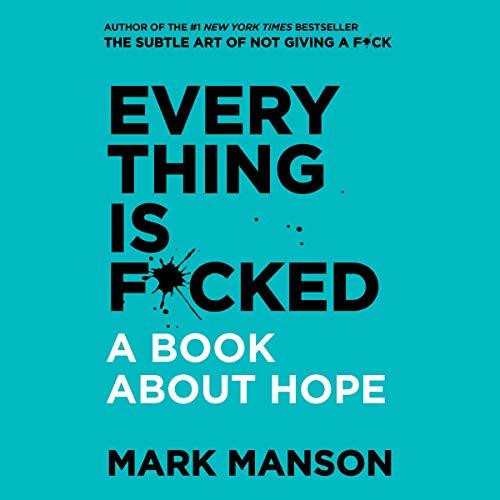
Everything Is F*cked: A Book About Hope
Mark Manson
A look at how people construct hope, why it curdles into certainty and outrage, and what holds up when belief systems fail. Manson draws on psychology and philosophy without romanticising either. Relevant to anyone rebuilding a sense of purpose after addiction.
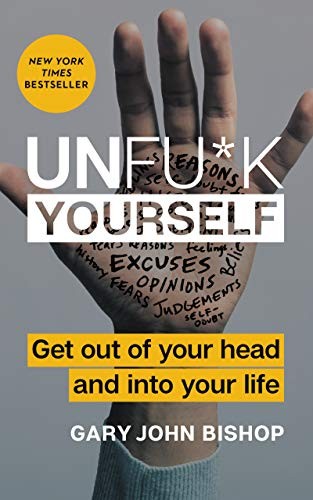
Unfu*k Yourself: Get Out of Your Head and into Your Life
Gary John Bishop
A short, blunt book about the internal commentary that keeps people stuck and the difference between how we talk to ourselves and what we actually do. Bishop's focus is action over insight. Suited to readers who already understand their patterns and are not yet changing them.

Stop Doing That Sh*t: End Self-Sabotage and Demand Your Life Back
Gary John Bishop
Examines the recurring conclusions people reach about themselves early on and how those conclusions quietly shape adult behaviour. The emphasis is on recognising a pattern in motion and interrupting it. A practical companion to relapse-prevention work.
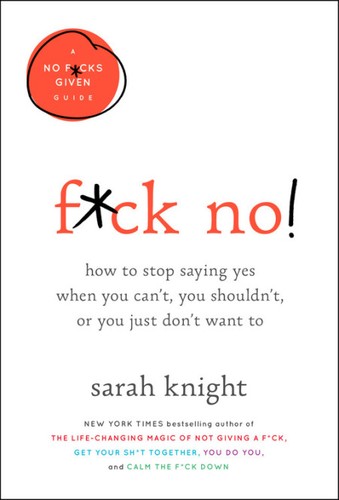
F*ck No!: How to Stop Saying Yes When You Can't, You Shouldn't, or You Just Don't Want To
Sarah Knight
A direct guide to declining requests, obligations, and demands without elaborate justification. Knight is funny but the underlying material is boundary-setting and time management. Directly applicable to people whose drinking, using, or overwork was propped up by an inability to say no.
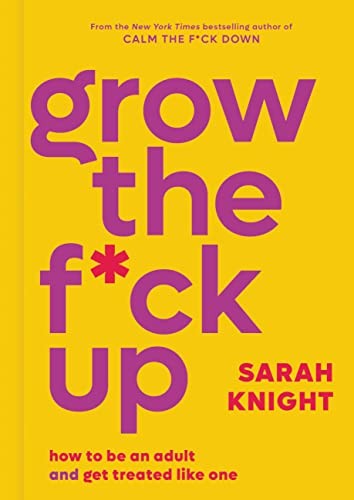
Grow the F*ck Up
Sarah Knight
A plain treatment of adult responsibility: money, work, commitments, and the consequences of avoidance. It assumes competence rather than fragility. Useful in early recovery, when practical life admin has usually been neglected for years.

You Are a Badass
Jen Sincero
A high-energy book about self-doubt, the stories people repeat about their limits, and taking action anyway. Lighter on evidence than most of this list, heavier on momentum. Worth reading if motivation, rather than understanding, is the missing piece.
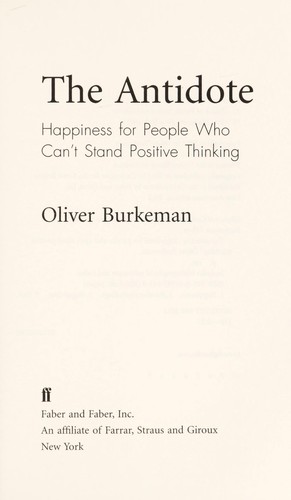
The Antidote: Happiness for People Who Can't Stand Positive Thinking
Oliver Burkeman
Burkeman surveys Stoicism, negative visualisation, and acceptance-based approaches to argue that the pursuit of positivity often backfires. It is a well-researched case for tolerating discomfort instead of eliminating it. Close to the logic behind acceptance and commitment work.
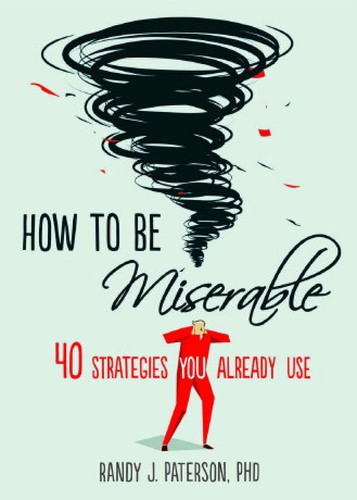
How to Be Miserable: 40 Strategies You Already Use
Randy J. Paterson
A clinical psychologist inverts the self-help format, listing the habits that reliably produce misery so readers can spot their own. The structure makes uncomfortable behaviour easier to look at. Sharp, evidence-informed, and genuinely useful for behavioural change.
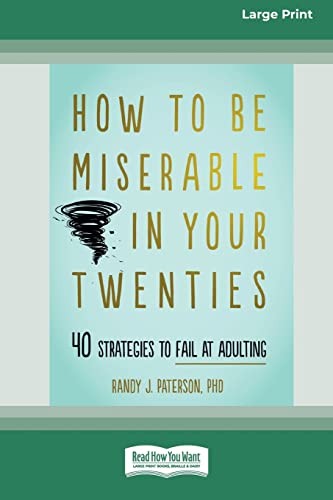
How to Be Miserable in Your Twenties
Randy J. Paterson
The same inverted approach applied to early adulthood: work, study, relationships, money, and identity. Paterson names the avoidance strategies that harden into long-term patterns. Suited to younger clients who bristle at conventional advice.
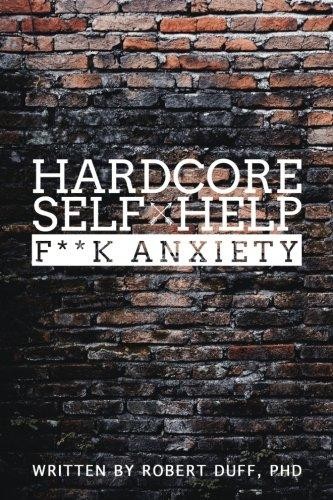
Hardcore Self Help: F**k Anxiety
Robert Duff, Ph.D.
A short, unpretentious explanation of how anxiety works and what actually reduces it, written in plain language by a psychologist. It covers exposure, avoidance, and physical symptoms without jargon. A reasonable first book for someone who will not read a textbook.
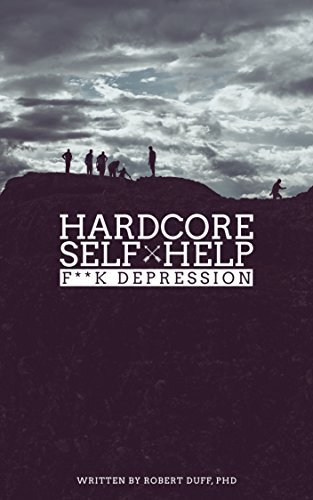
Hardcore Self Help: F**k Depression
Robert Duff, Ph.D.
The companion volume, covering behavioural activation, sleep, rumination, and the practicalities of getting help. Duff writes as though talking to a friend, which lowers the barrier to starting. Useful when depression and addiction are running together.
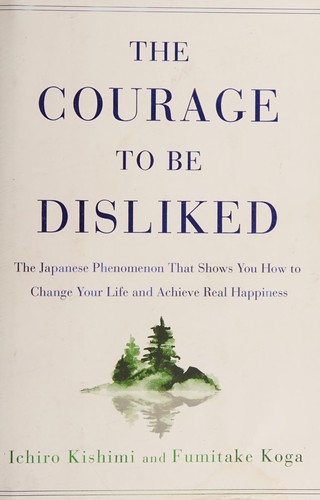
The Courage to Be Disliked
Ichiro Kishimi & Fumitake Koga
A dialogue-form introduction to Adlerian psychology, arguing that behaviour is driven by present goals rather than past causes. It challenges the idea that history determines the future. Provocative reading for anyone using their past as an explanation for staying the same.
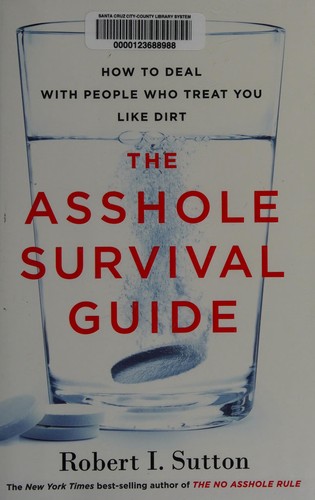
The Asshole Survival Guide
Robert I. Sutton
A research-based guide to dealing with difficult people at work and at home, including when to confront, when to disengage, and when to leave. Sutton is a Stanford organisational psychologist and keeps the advice concrete. Practical for people whose environment is part of the problem.
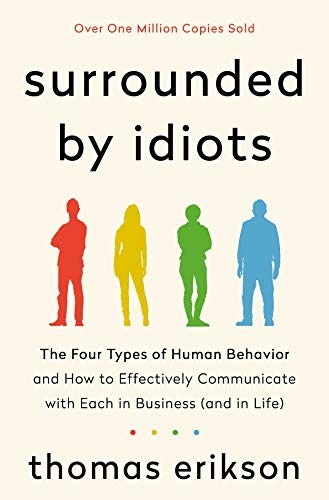
Surrounded by Idiots
Thomas Erikson
A popular model of four communication styles and why people repeatedly misread each other. The framework is simplified rather than rigorous, but it makes conflict easier to discuss. Helpful for repairing the relationships addiction tends to damage.
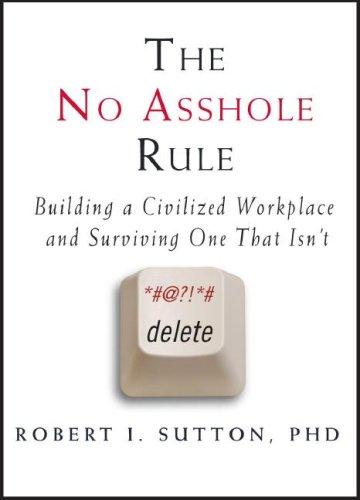
The No Asshole Rule
Robert I. Sutton
Sutton's earlier book on the measurable cost of toxic behaviour in organisations and how it spreads. It is as much about self-examination as about other people. Relevant to anyone taking an honest inventory of how they treat others.
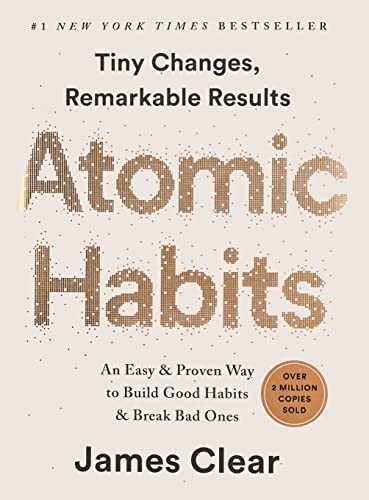
Atomic Habits
James Clear
A systematic account of how habits form and how cues, friction, and environment can be adjusted to change them. Clear favours small, repeatable design changes over willpower. Directly applicable to rebuilding routines in early recovery.
Have a resource you think belongs here? We are always glad to receive suggestions.